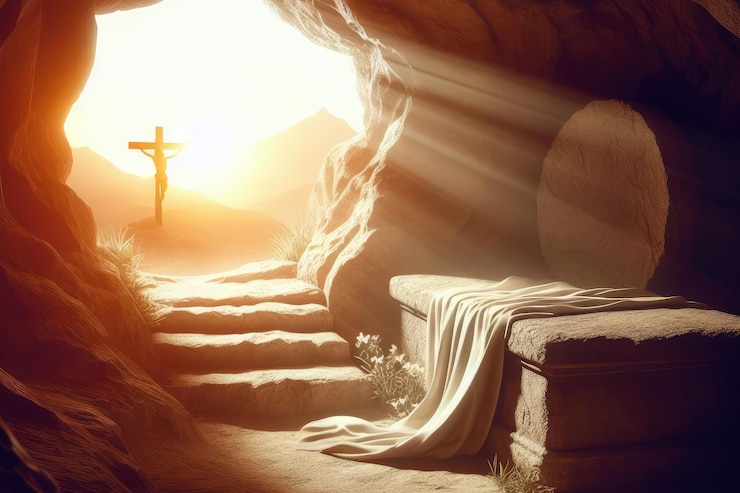
The Book Of Acts begins where the Gospels leave off. Jesus Christ has risen from the dead, appeared to His followers, and given them a mission. Now the message of salvation begins moving beyond Jerusalem into the world. Acts shows the Holy Spirit working through ordinary people, building the church, spreading the Gospel, and continuing the work Jesus began.
Acts, Holy Spirit, Apostles, Faith, Obedience, Church, Gospel, God’s Covenant, Redemption Plan, Jesus Christ
Acts records the beginning and growth of the early Christian church.
The book follows the apostles as they take the message of Jesus Christ from Jerusalem into Judea, Samaria, and eventually toward the nations.
Acts is filled with preaching, prayer, miracles, persecution, imprisonment, courage, conversion, and obedience.
But the central story is bigger than the apostles.
God is continuing His Redemption Plan through Jesus Christ and working through His people by the power of the Holy Spirit.
The Book of Acts teaches us that the Gospel was never intended to remain in one city or with one group of people.
The message was meant to reach the world.
Acts takes place during the first generation after the resurrection of Jesus Christ.
The Roman Empire controlled much of the known world, creating roads, cities, and trade routes that would eventually help the Gospel travel across different regions.
Jerusalem became the starting point of the church. From there, the message spread through Judea and Samaria and eventually throughout the Roman world.
The early believers faced opposition from religious authorities, political leaders, and others who rejected the message of Jesus.
Yet persecution did not stop the Gospel.
Instead, God used circumstances that appeared to work against His people to move the message farther.
Jesus is the foundation of Acts. Although He ascends into heaven early in the book, His work continues through the Holy Spirit and His followers.
Peter becomes one of the leading voices of the early church.
He preaches boldly about Jesus Christ and helps establish the Gospel among both Jews and Gentiles.
Stephen demonstrates courage and faithfulness even when facing death.
His testimony shows that obedience to God can require great sacrifice.
Philip carries the Gospel beyond Jerusalem and becomes an important messenger as the church expands.
Paul becomes one of the most important missionaries in Acts.
Once an opponent of the church, he encounters Jesus Christ and becomes a powerful servant of the Gospel.
Barnabas encourages believers and works alongside Paul in spreading the message of Christ.
The early believers demonstrate that the church is not built around one person.
God uses many people with different gifts to accomplish His work.
Jerusalem is where the church begins and where Jesus’ followers receive the command to wait for the Holy Spirit.
The Gospel begins spreading beyond Jerusalem into the surrounding region.
The Gospel crosses an important cultural and religious boundary as the message reaches Samaritans.
Antioch becomes an important center for Christian teaching and missionary work.
Paul and others travel throughout this region, establishing churches and proclaiming Jesus Christ.
The Gospel reaches major Greek cities, including Philippi, Thessalonica, Corinth, and Athens.
Acts moves toward Rome, showing how far the Gospel has traveled from its beginning in Jerusalem.
The Holy Spirit empowers believers to witness, preach, serve, endure persecution, and carry out God’s work.
Acts repeatedly shows that genuine belief produces action.
The apostles did not simply hear Jesus’ command—they followed it.
Message of Jesus Christ moves from Jerusalem toward the nations. The Gospel is for all people.
Early church grows through teaching, fellowship, prayer, service, generosity, and faith.
Following Christ does not guarantee an easy life.
Acts demonstrates that God’s people can remain faithful even when facing opposition.
Again and again, people hear about Jesus Christ, respond to the Gospel, repent, believe, and become part of God’s people.
Human beings make choices, governments make decisions, and opposition arises, but God’s Redemption Plan continues moving forward.
Acts demonstrates that God’s Covenant did not end with the resurrection of Jesus Christ.
Instead, the promises made throughout Scripture were moving toward fulfillment.
God promised redemption, and Jesus Christ became the fulfillment of that plan.
The message of salvation now begins reaching beyond Israel to the nations.
The Holy Spirit becomes a powerful witness that God’s work is continuing.
Acts shows that God’s Covenant is not based upon human perfection.
People fail.
And people become afraid.
People make mistakes.
But God remains faithful.
His Covenant continues because His promises depend upon Him, not upon humanity being perfect.
The Redemption Plan becomes increasingly visible throughout Acts.
Jesus Christ died for sin, rose from the dead, and commanded His followers to take the Gospel to the world.
The apostles become witnesses to what they saw and heard.
People who once rejected Jesus begin believing in Him. People from different backgrounds become part of one body.
The Gospel crosses cultural, geographic, and religious boundaries.
Acts demonstrates that salvation is not limited to one generation or one location.
God’s Redemption Plan is reaching outward.
The same message that began in Jerusalem is carried toward the nations.
Jesus Christ remains at the center of Acts even after His ascension.
The apostles preach His death and resurrection. People are called to believe in Him.
Miracles are performed in His name. Persecution comes because of His name.
Acts does not replace Jesus with the apostles.
Instead, it shows what happens when imperfect people surrender themselves to the work of God.
Peter is imperfect.
Paul is imperfect.
The early believers are imperfect.
But God uses them.
This points to an important truth: the work belongs to God, and Jesus Christ is the foundation.
Human beings do not have to be perfect to serve God.
They need faith, obedience, humility, and a willingness to follow where God leads.
As you move through Acts, you will discover:
How the Holy Spirit came upon the early believers.
How the church began.
How Peter preached Jesus Christ with boldness.
How persecution affected the early church.
How the Gospel reached Samaria and the Gentiles.
How Saul became Paul.
How God transformed a persecutor into a servant.
How missionary journeys carried the Gospel across nations.
How believers faced imprisonment and suffering.
How prayer became a foundation of the early church.
How God opened doors that appeared impossible.
How the Gospel eventually reached Rome.
Most importantly, you will discover that God can work through imperfect people to accomplish His purposes.
Acts begins with Jesus Christ giving His followers a mission.
Then the Holy Spirit comes.
The church begins.
The Gospel spreads.
Opposition rises.
Believers remain faithful.
Saul encounters Jesus.
Paul begins preaching.
The Gospel moves across nations.
And the journey continues toward Rome.
Geographic movement of Acts reflects something much greater:
Jerusalem → Judea → Samaria → the nations → Rome.
The message keeps moving.
Gospel cannot be contained by geography, persecution, imprisonment, or human opposition.