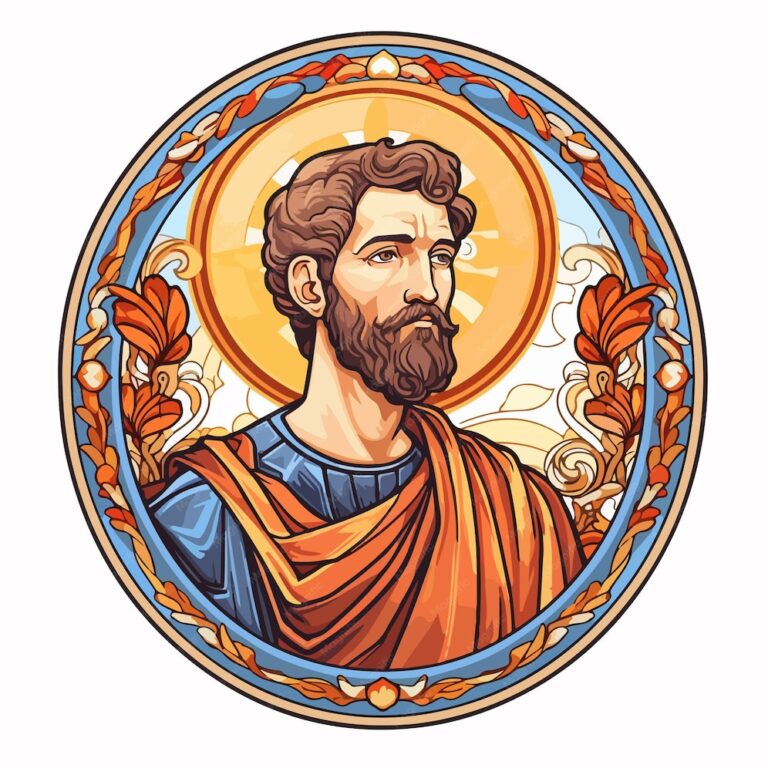
The Book of James is one of the most practical and challenging books in the Bible. Written by James, the brother of Jesus and a leader in the early church, this short letter addresses real-life issues every believer faces. James Series writes about faith, trials, wisdom, temptation, speech, humility, prayer, and spiritual maturity. His message is simple yet powerful: genuine faith should be visible in the way we live. Throughout this series, we will explore how James helps believers grow stronger, wiser, and closer to God.
Family, Faith, Doubt, Growth, Leadership, Wisdom, Perseverance, Teaching, Spiritual Maturity, Practical Christianity
Few people in history had the opportunity to know Jesus as closely as James.
He moved from familiarity to doubt, from skepticism to belief, and from brother to devoted servant of the Lord.
His transformation makes his testimony one of the most powerful in all of Scripture.
The Book of James is short compared to many books of the Bible, but its impact is enormous. It addresses everyday challenges that believers face: trials, temptation, wisdom, faith, speech, relationships, humility, wealth, prayer, and spiritual maturity.
James teaches that genuine faith should be visible through the way we live.
James was one of Jesus’ brothers.
The Gospels mention James among Jesus’ family members:
“Isn’t this the carpenter’s son? Isn’t his mother’s name Mary, and aren’t his brothers James, Joseph, Simon and Judas?” (Matthew 13:55)
Growing up in the same household gave James a unique perspective.
He observed Jesus during childhood, adolescence, and adulthood.
He witnessed firsthand the perfect character that Jesus displayed throughout His life.
Yet being close to Jesus physically did not automatically produce faith.
Like many people, James had to come to his own understanding of who Jesus truly was.
One of the most surprising facts about James is that he did not initially believe Jesus’ claims.
During Jesus’ earthly ministry, His brothers struggled to understand Him.
John records:
“For even his own brothers did not believe in him.” (John 7:5)
Imagine the challenge.
James had spent years living with Jesus.
Suddenly crowds were following Him.
Miracles were being reported.
Religious leaders opposed Him.
Many called Him the Messiah.
Others called Him a threat.
Family tension likely existed as Jesus’ ministry expanded and public controversy increased.
James knew Jesus better than most people, yet he still struggled to believe.
This reminds us that faith is not inherited through family relationships. Each person must decide for themselves who Jesus is.
The turning point came after Jesus’ crucifixion and resurrection.
Like countless others throughout history, James was convinced because he encountered the risen Christ.
After Jesus ascended to heaven, James emerged as one of the most respected leaders in the early church.
He became a central figure in Jerusalem and helped guide believers through difficult questions and growing challenges.
His leadership is clearly seen during the Jerusalem Council in Acts 15.
James was known for wisdom, balance, humility, and faithfulness to God’s Word.
People listened because his life reflected the truths he taught.
He was not simply a teacher.
He was a practitioner of faith.
One of the most remarkable details in the Book of James appears in the very first verse.
James introduces himself simply as:
“James, a servant of God and of the Lord Jesus Christ.”
Instead, he identifies himself as a servant.
This humility reveals the transformation that took place in his life.
James no longer viewed Jesus merely as his brother.
He recognized Him as Lord.
James is often called the most practical book in the New Testament.
Its teachings address everyday life.
Topics include:
Trials and perseverance.
Wisdom from God.
Temptation and sin.
Hearing and doing God’s Word.
Faith and actions.
Controlling the tongue.
Pride and humility.
Wealth and generosity.
Prayer and spiritual maturity.
James challenges believers to move beyond simply knowing Scripture to actively living it.
Faith is not merely something we believe.
Faith is something we practice.
The world does not need more superficial faith.
It needs believers whose lives reflect the teachings of Christ.
James provides practical instruction for spiritual growth.
His words challenge us to examine our priorities, our actions, our speech, and our relationship with God.
Although the book is short, its lessons have the power to strengthen believers, deepen faith, and encourage spiritual maturity.
The same truths that transformed James from skeptic to servant continue to transform lives today.
As we study James chapter by chapter, we will explore:
How trials strengthen faith.
How wisdom guides decisions.
How genuine faith produces action.
How words reveal the condition of the heart.
How humility opens the door to God’s grace.
How prayer changes lives.
How spiritual maturity develops over time.
Throughout this series, James will challenge us not merely to hear God’s Word but to live it.
Few individuals had the opportunity to observe Jesus as closely as James. He witnessed Christ as a family member, struggled with unbelief, experienced the transforming reality of the resurrection, and became one of the most influential leaders in the early church.
His story reminds us that faith is a journey. Doubt can become belief. Questions can lead to conviction. Growth can produce maturity.
The Book of James is short in length but powerful in application.
As we begin this study, we will discover that genuine faith is more than words—it is a life transformed by the Lord Jesus Christ.