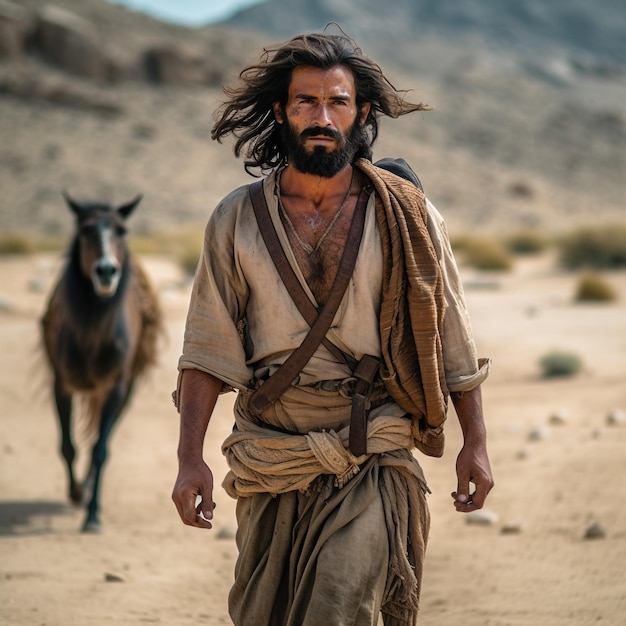
The Book of John takes us on a journey to discover who Jesus Christ truly is. John begins before creation, revealing Jesus as the eternal Word who was with God and was God. From there, we follow His earthly ministry, His miracles, teachings, compassion, rejection, crucifixion, and resurrection. John continually brings us back to one central truth: Jesus Christ is the Son of God and the source of eternal life.
God’s Covenant • Faith • Obedience • Grace • Sin • Salvation • Redemption Plan • Jesus Christ
John’s Gospel is different from the other three Gospels.
Matthew, Mark, and Luke tell many events from Jesus’ earthly ministry, while John places special emphasis on who Jesus is.
John wants the reader to understand that Jesus is more than a teacher or prophet.
He is the Word.
Jesus is the Son of God.
Jesus is the Messiah.
He is the Lamb of God.
Jesus is the Light of the World.
He is the Bread of Life.
Jesus is the Good Shepherd.
Jesus is the Resurrection and the Life.
And He is the way to the Father.
Throughout the book, John records signs, conversations, teachings, and events that reveal Jesus’ identity and His mission.
The Gospel ultimately points toward belief.
John explains why he recorded these things so that people may believe that Jesus is the Messiah, the Son of God, and that by believing they may have life in His name.
John was one of the twelve apostles and one of the disciples who followed Jesus during His earthly ministry.
He was the son of Zebedee and the brother of James.
John was present for many important moments in Jesus’ ministry and witnessed events that other people did not see firsthand.
His Gospel contains personal testimony about Jesus.
John writes about Jesus’ encounters with individuals, His conversations with His disciples, His miracles, His confrontations with religious leaders, His suffering, His crucifixion, and His resurrection.
The Gospel also connects Jesus’ ministry with the promises and writings of the Old Testament.
John continually shows that what was happening was not an isolated event.
God’s plan was unfolding.
The central figure of the Gospel. John reveals Him as the eternal Word, Son of God, Messiah, Lamb of God, Savior, and source of eternal life.
The witness who prepared the way for Jesus and identified Him as the Lamb of God.
Men who were called to follow Jesus, learn from Him, witness His ministry, and eventually carry His message into the world.
One of Jesus’ closest disciples whose faith, failures, restoration, and leadership become important parts of the Gospel story.
Jesus’ mother, who appears at important moments in His earthly ministry.
Sisters whose story reveals Jesus’ compassion and leads to one of John’s greatest declarations about Jesus: “I am the resurrection and the life.”
A man whom Jesus raised from the dead, providing a powerful sign pointing toward Jesus’ authority over life and death.
The birthplace of Jesus and part of the fulfillment of God’s promises concerning the Messiah.
A major setting for Jesus’ ministry and the location of His final suffering, crucifixion, and resurrection.
The region where Jesus performed many miracles, taught His disciples, and called people to follow Him.
The location of Jesus’ first recorded sign in John’s Gospel, where He turned water into wine.
A place closely connected with Jesus’ friends Mary, Martha, and Lazarus.
An important setting for Jesus’ ministry and His interactions with His disciples.
The setting of Jesus’ arrest and the beginning of the events leading to His crucifixion.
John begins with one of the strongest declarations in Scripture:
“In the beginning was the Word.”
Jesus did not begin at Bethlehem.
He existed before creation.
Through Him all things were made.
The Creator entered His creation.
John repeatedly presents Jesus as the Light.
The world is affected by sin and darkness, but darkness cannot overcome Christ.
The Light came into the world so humanity could see the truth of God.
John continually asks the reader to consider one essential question:
Will you believe in Jesus Christ?
Belief is not merely agreeing that Jesus existed.
John presents belief as trusting Him, receiving Him, following Him, and placing our lives in His hands.
John tells us that grace and truth came through Jesus Christ.
Jesus does not ignore sin.
He confronts it.
But He also offers mercy, forgiveness, restoration, and salvation.
John shows the consequences of rejecting God while revealing God’s answer to humanity’s sin.
Jesus came into the world to save.
The Lamb of God came to take away sin.
The cross becomes the center of God’s Redemption Plan.
Eternal life is one of John’s central messages.
Jesus does not simply offer a better earthly life.
He offers life that continues beyond death.
John repeatedly points the reader toward eternity through faith in Jesus Christ.
The Gospel of John connects God’s plan from beginning to end.
The story begins with creation.
“In the beginning was the Word.”
Humanity exists because God created.
Yet sin brought darkness into the world.
God did not abandon humanity.
The Word became flesh.
Jesus entered the world.
John the Baptist identified Him as the Lamb of God.
He taught.
He healed.
Jesus forgave.
Jesus called people to believe.
Then Jesus willingly went to the cross.
His death was not the end.
Jesus resurrection demonstrated His victory over death.
The Redemption Plan that had been unfolding throughout Scripture was centered in Jesus Christ.
God’s answer to humanity’s greatest problem is Jesus.
John reveals Jesus through His names, teachings, miracles, and actions.
He is:
The Word
The Son of God
He was the Lamb of God
Jesus The Messiah
The Light of the World
Is The Bread of Life
Is The Good Shepherd
The Resurrection and the Life
Jesus Is Way, the Truth, and the Life
The True Vine
And ultimately, the risen Lord.
John’s Gospel is not simply asking us to learn about Jesus.
It is asking us to recognize who He is.
As you journey through John, you will discover:
Why John begins before creation.
Why Jesus is called the Word.
Why John the Baptist was sent ahead of Him.
The meaning behind Jesus’ miracles and signs.
The people Jesus encountered and changed.
Jesus’ teaching about salvation and eternal life.
Why Jesus repeatedly called people to believe.
The meaning of Jesus’ “I am” statements.
Why religious leaders rejected Him.
The importance of the cross.
The reality of the resurrection.
Jesus’ relationship with the Father.
The role of the Holy Spirit.
The meaning of following Jesus.
Why John wants every reader to believe.
John’s Gospel begins before the world was created.
It takes us through the arrival of the Light, the calling of the disciples, the miracles of Jesus, His conversations with ordinary people, His confrontations with those who rejected Him, and His growing revelation of who He truly is.
Then the story reaches its most difficult moment.
Jesus is arrested.
He is beaten.
Jesus is crucified.
He dies.
But death does not have the final word.
Jesus rises.
The disciples see Him.
The impossible becomes reality.
The One who was with God in the beginning has overcome death.
John’s Gospel therefore moves from creation to redemption, from darkness to light, and from death to life.
John gives us a question that every generation must answer:
Who is Jesus Christ?
Is He simply a historical figure?
A prophet?
A teacher?
Or is He exactly who John says He is:
The Word who became flesh.
Jesus is the Son of God.
The Lamb who takes away sin.
Jesus is Savior of the world.
Christ is the Resurrection and the Life.
John wants the answer to become personal.
This book is not simply about what Jesus did.
It is about what Jesus means for you.
From the first words of John—
“In the beginning was the Word”
—to the resurrection of Jesus Christ, everything moves toward Him.
The Old Testament promises point toward Him.
John the Baptist points toward Him.
Jesus miracles point toward Him.
Jesus disciples discover Him.
The cross reveals His sacrifice.
The resurrection reveals His victory.
And John gives us the reason for recording these things:
that we may believe.
The Gospel of John is ultimately an invitation.
An invitation to see the Light.
An invitation to receive grace.
Jesus invitation to confront sin.
An invitation to believe.
Jesus invitation to receive eternal life.
And above everything else, an invitation to know Jesus Christ.
His Word became flesh.
His Light entered the darkness.
The Lamb came to take away sin.
The Son of God came to save.
Now the question is: Will we believe?