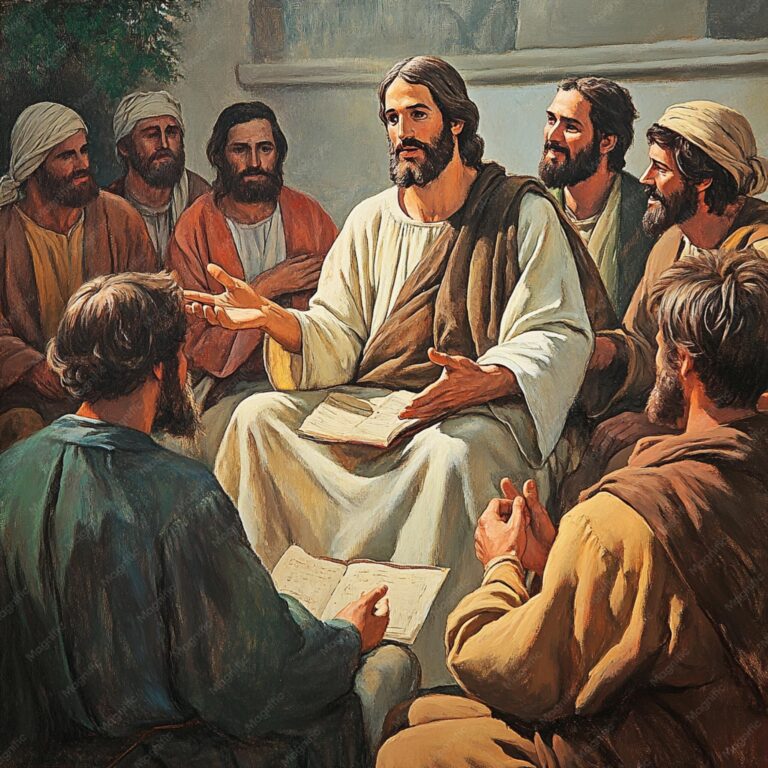
God gives us more than we can measure through God and The Lords People. His grace provides opportunities to serve, encourage, and help others. In this chapter, Paul teaches that generosity should come from a willing heart, not pressure or obligation. When we share what God has given us, our actions can meet real needs, strengthen faith, and lead others to give thanks to Him.
Obedience, God’s Covenant, Faith, Glory, Gift, Repentance, Honor, Wrath, Encouragement, Spirit, Redemption Plan, Jesus Christ
📖 2 Corinthians 9:1 (NIV)
“9 There is no need for me to write to you about this service to the Lord’s people.”
Paul continues his message about the offering for the Lord’s people.
He knows the Corinthians have been eager to help, and their enthusiasm has encouraged other churches.
He sends trusted brothers ahead to make sure the promised gift is ready, so that it can be given willingly and generously rather than under pressure.
Paul then explains the principle of sowing and reaping.
Whoever sows sparingly reaps sparingly, and whoever sows generously reaps generously.
Each person should decide in their heart what to give, not reluctantly or because someone has forced them.
God loves a cheerful giver.
God is the One who supplies seed to the sower and bread for food.
He can provide what His people need and enable them to abound in good works.
Their generosity does more than supply material needs; it produces thanksgiving to God.
The chapter concludes by showing how the Corinthians’ service demonstrates their obedience to the Gospel.
Those who receive help praise God, pray for their fellow believers, and recognize His grace at work.
Paul finishes with gratitude for God’s indescribable gift.
📖 2 Corinthians 9:1-4(NIV)
“9 There is no need for me to write to you about this service to the Lord’s people. 2 For I know your eagerness to help, and I have been boasting about it to the Macedonians, telling them that since last year you in Achaia were ready to give; and your enthusiasm has stirred most of them to action. 3 But I am sending the brothers in order that our boasting about you in this matter should not prove hollow, but that you may be ready, as I said you would be. 4 For if any Macedonians come with me and find you unprepared, we—not to say anything about you—would be ashamed of having been so confident. “
Paul knows the Corinthians are eager to help the Lord’s people.
Their willingness has encouraged the Macedonian churches, showing how one group’s faithfulness can inspire another.
However, Paul does not want their generosity to remain only a promise.
He sends brothers ahead to help complete the arrangements so the gift will be ready.
He wants it to be given freely, not grudgingly or under pressure.
This teaches us that good intentions matter, but following through matters too.
When we promise to help, we should take that commitment seriously.
Preparation allows us to serve others responsibly and with a willing spirit.
Giving should never be about embarrassment, competition, or public recognition.
The purpose is to meet needs and honor God.
Faithfulness includes following through on what we willingly commit to do.
Prepare your heart before you give, and let generosity come from love rather than pressure.
📖 2 Corinthians 9:5-8 (NIV)
“5 So I thought it necessary to urge the brothers to visit you in advance and finish the arrangements for the generous gift you had promised. Then it will be ready as a generous gift, not as one grudgingly given.”
“6 Remember this: Whoever sows sparingly will also reap sparingly, and whoever sows generously will also reap generously. 7 Each of you should give what you have decided in your heart to give, not reluctantly or under compulsion, for God loves a cheerful giver. 8 And God is able to bless you abundantly, so that in all things at all times, having all that you need, you will abound in every good work.”
Paul uses the picture of sowing and reaping to explain generosity.
A person who sows sparingly will reap sparingly, while the one who sows generously will reap generously.
He also makes an important point: each person should decide in their own heart what to give.
Giving should not be reluctant or forced.
God loves a cheerful giver because generosity is meant to express a willing heart.
This passage is not a promise that giving money will make someone wealthy.
Paul is teaching about generosity, God’s provision, and the good works that can follow.
God knows our circumstances and does not ask us to give what we do not have.
We should remember that generosity takes many forms.
It can be money, time, kindness, encouragement, patience, or practical help for someone in need.
The value of giving is not measured only by its size.
God sees the heart behind it.
Give willingly, within your means, and with gratitude for what He has provided.
📖 2 Corinthians 9:9-12 (NIV)
“9 As it is written:
“They have freely scattered their gifts to the poor;
their righteousness endures forever.”[a]”
“10 Now he who supplies seed to the sower and bread for food will also supply and increase your store of seed and will enlarge the harvest of your righteousness. 11 You will be enriched in every way so that you can be generous on every occasion, and through us your generosity will result in thanksgiving to God.”
“12 This service that you perform is not only supplying the needs of the Lord’s people but is also overflowing in many expressions of thanks to God.”
Paul reminds us that God supplies seed to the sower and bread for food.
Everything we have ultimately depends upon His provision.
God is able to supply what we need and increase the opportunities we have to do good.
Notice the purpose of this blessing: believers are enriched so they can be generous on every occasion.
The focus is not on collecting more possessions for ourselves.
It is on having opportunities to help others and allowing that help to produce thanksgiving to God.
This is an important lesson about responsibility.
When we receive blessings, we should consider how they can benefit others.
Our resources, abilities, and opportunities can become instruments of encouragement and service.
God’s provision does not mean every believer will have the same resources or circumstances.
It reminds us that we can trust Him while using what we have faithfully.
God’s blessings give us opportunities to serve.
When we use what He provides to help others, generosity becomes a reason for people to thank and praise Him.
📖 2 Corinthians 9:13-15 (NIV)
“13 Because of the service by which you have proved yourselves, others will praise God for the obedience that accompanies your confession of the gospel of Christ, and for your generosity in sharing with them and with everyone else. 14 And in their prayers for you their hearts will go out to you, because of the surpassing grace God has given you. 15 Thanks be to God for his indescribable gift!”
Paul explains that the Corinthians’ service does more than supply the needs of the Lord’s people.
It also produces many expressions of thanksgiving to God.
Their generosity demonstrates the obedience that accompanies their confession of the Gospel of Christ.
Those who receive help recognize God’s grace, and their hearts are moved to pray for the people who have served them.
This shows us how faith can reach beyond our own lives.
One act of generosity can encourage another person, strengthen relationships among churches, and bring honor to God.
Paul concludes with the words, “Thanks be to God for his indescribable gift!”
This points us beyond the offering itself to God’s greatest gift: Jesus Christ. No human gift can compare with the grace God has shown through His Son.
We can share what we have, but we cannot purchase salvation.
Forgiveness and eternal life come through God’s grace and faith in Jesus Christ.
Our service should point beyond ourselves.
When we help others with sincere hearts, we can encourage faith and lead people to give thanks to God.
Above every earthly gift stands Jesus Christ, God’s indescribable gift to humanity.
God’s covenant reminds us that He is the source of our provision, our hope, and our salvation.
Throughout Scripture, God teaches His people to care for one another and to remember that blessings carry responsibility.
In this chapter, generosity becomes an expression of obedience.
The Corinthians are encouraged to fulfill their promise, give cheerfully, and help meet the needs of fellow believers.
Their actions produce thanksgiving and honor for God.
But the greatest expression of God’s generosity is Jesus Christ.
Through His sacrifice, God provides the way to forgiveness, reconciliation, and eternal life.
We cannot earn that gift. We receive it through faith in Jesus Christ.
God’s promises remain our foundation.
His grace inspires our generosity, and His love gives us a reason to serve.
This chapter teaches us that generosity begins in the heart.
We should not give because someone pressures us, because we want recognition, or because we expect something in return.
And we should give willingly and according to what we have.
We also learn that our blessings can become blessings to others.
A kind word, a helping hand, a gift, or a willingness to listen can make a difference in someone’s life.
Our actions can encourage others and create reasons to praise God.
We should remember that what we do in service to others can reflect what we believe about Jesus Christ.
Most importantly, we should never confuse earthly giving with the gift of salvation.
Money cannot remove sin, and good works cannot replace the sacrifice of Christ.
God’s indescribable gift is Jesus, and our response should be faith, gratitude, obedience, and love.
Paul ends this chapter by pointing us toward God’s indescribable gift.
Jesus Christ is the center of God’s Redemption Plan.
Through His life, death, and resurrection, the way to forgiveness and eternal life has been opened.
God gave what humanity could never provide for itself.
We cannot repay Him for the sacrifice of Jesus, but we can respond with faith and gratitude.
We can learn to live differently, care for others, and share the blessings we have received.
The Corinthians’ generosity reminds us that the Gospel is not meant to remain only words.
Faith should influence how we live, how we treat people, and how we use what God has placed in our hands.
From God’s provision to our willingness to serve, every lesson points beyond ourselves.
The greatest gift is not something we earn or purchase. It is God’s grace through Jesus Christ.
Let us receive His gift with thankful hearts, live by faith, and give God the glory through the lives we lead.
All Glory Belongs to God.
Amen.