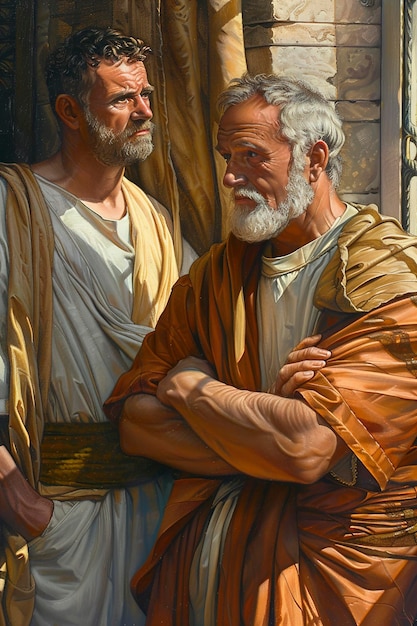
Peter closes his letter, The Holy Prophets, by reminding believers that God’s promises have not failed simply because Christ has not yet returned. What some call delay is actually God’s patience, giving people an opportunity to repent. Peter warns about scoffers, points toward the Day of the Lord, and promises a new heaven and new earth. His final instruction is simple: remain faithful and grow in the grace and knowledge of Jesus Christ.
Obedience • God’s Covenant • Faith • Blessing • Grace • Repentance • Justice • Redemption Plan • Jesus Christ
📖 2 peter 3:1 (NIV)
“3 Dear friends, this is now my second letter to you. I have written both of them as reminders to stimulate you to wholesome thinking. “
Peter begins by reminding believers why he has written his letters: to stimulate them to wholesome thinking and help them remember what they have already been taught.
He points them back to the words of the holy prophets and the command of Jesus Christ given through the apostles.
But Peter knows that people will question God’s promises.
In the last days, scoffers will ask:
“Where is this coming he promised?”
They will look at the passing of time and assume that nothing has changed.
Peter reminds them that God created the heavens and the earth by His word. He also reminds them that God once judged the ancient world through the flood.
The present heavens and earth are likewise reserved for judgment.
But Peter then gives believers an important perspective:
God’s timing is not our timing.
A day with the Lord is like a thousand years, and a thousand years are like a day.
God is not slow.
He is patient.
His patience gives people an opportunity to repent rather than perish.
But the Day of the Lord will come.
Peter therefore asks believers what kind of people they should be while waiting.
The answer is clear:
Holy and godly people.
And beyond judgment, Peter gives them God’s promise:
A new heaven and a new earth where righteousness dwells.
The chapter ends with Peter’s final instruction:
Grow in the grace and knowledge of our Lord and Savior Jesus Christ.
📖 2 peter 3:2-3 (NIV)
“2 I want you to recall the words spoken in the past by the holy prophets and the command given by our Lord and Savior through your apostles.”
“3 Above all, you must understand that in the last days scoffers will come, scoffing and following their own evil desires.”
Peter begins by telling believers to remember.
Remember the holy prophets.
Wont forget the commands of Jesus.
Wont forget what the apostles taught.
This is important because people can forget what they know when circumstances change.
When Christ does not return according to our expectations, doubt can grow.
When the world appears unchanged, people can question God’s promises.
Peter’s answer is not to chase every new idea.
It is to return to God’s Word.
The truth they received remains the truth.
God’s promises do not become less reliable simply because time passes.
When the world tells us to forget God’s promises, Peter tells us to remember them.
📖 2 peter 3:4-5 (NIV)
“4 They will say, “Where is this ‘coming’ he promised? Ever since our ancestors died, everything goes on as it has since the beginning of creation.” 5 But they deliberately forget that long ago by God’s word the heavens came into being and the earth was formed out of water and by water.”
Peter warns that scoffers will come.
They will question the return of Christ because life appears to continue as it always has.
Their argument is based on what they can see.
But Peter reminds us that God’s work cannot be measured simply by human observation.
God created the world.
God judged the world in the days of Noah.
And God has promised a future day of judgment.
The fact that judgment has not happened yet does not mean judgment will never happen.
Likewise, the fact that Christ has not yet returned does not mean He will not return.
Peter teaches us not to confuse patience with absence.
God has not forgotten His promise. He is waiting according to His purpose.
📖 2 peter 3:6-7 (NIV)
“6 By these waters also the world of that time was deluged and destroyed. 7 By the same word the present heavens and earth are reserved for fire, being kept for the day of judgment and destruction of the ungodly.”
One of the most important truths in this chapter is found in Peter’s explanation of God’s timing.
The Lord is not slow in keeping His promise.
He is patient.
Why?
Because He does not want people to perish.
He wants people to come to repentance.
This gives God’s patience a completely different meaning.
What may look like delay from our perspective can actually be mercy from God’s perspective.
Every additional day gives another opportunity.
Another person can hear the Gospel.
Every heart can repent.
Another life can turn toward Christ.
God’s justice is real, but His mercy is also real.
The waiting period is an opportunity for repentance before the promised judgment arrives.
📖 2 peter 3:8-9 (NIV)
8 But do not forget this one thing, dear friends: With the Lord a day is like a thousand years, and a thousand years are like a day. 9 The Lord is not slow in keeping his promise, as some understand slowness. Instead he is patient with you, not wanting anyone to perish, but everyone to come to repentance.
Peter does not allow God’s patience to become an excuse for complacency.
He says the Day of the Lord will come like a thief.
The timing may not be known to us, but the promise is certain.
Peter describes a dramatic future judgment involving the heavens and earth.
The message is not intended merely to frighten believers.
It is intended to change how they live.
Peter asks:
“What kind of people ought you to be?”
His answer is that believers should live holy and godly lives.
Knowing that eternity is coming should affect today.
Our future should influence our present choices.
If we believe God’s promises about tomorrow, we should live differently today.
📖 2 peter 3:10-11 (NIV)
“10 But the day of the Lord will come like a thief. The heavens will disappear with a roar; the elements will be destroyed by fire, and the earth and everything done in it will be laid bare.[a]”
“11 Since everything will be destroyed in this way, what kind of people ought you to be? You ought to live holy and godly lives “
Peter does not end with destruction.
He ends with promise.
God has promised a new heaven and a new earth where righteousness dwells.
That changes the way believers should view eternity.
The Christian hope is not simply escaping punishment.
It is living in the future God has promised.
A place where righteousness dwells.
The future where God’s purposes are fulfilled.
The future where His promises are no longer viewed through faith because they have become reality.
Peter wants believers to look forward to that day.
The present world is temporary.
God’s promised future is eternal.
The story does not end with judgment. It moves toward God’s promised restoration.
📖 2 peter 3:12-15 (NIV)
“12 as you look forward to the day of God and speed its coming.[b] That day will bring about the destruction of the heavens by fire, and the elements will melt in the heat. 13 But in keeping with his promise we are looking forward to a new heaven and a new earth, where righteousness dwells.”
“14 So then, dear friends, since you are looking forward to this, make every effort to be found spotless, blameless and at peace with him. 15 Bear in mind that our Lord’s patience means salvation, just as our dear brother Paul also wrote you with the wisdom that God gave him”
Peter asks believers to make every effort to be found spotless, blameless, and at peace with God.
This does not mean that human beings can become perfect through their own effort.
It means that God’s grace should produce a life that takes obedience seriously.
God knows where the story is going.
We know Christ will return.
God knows judgment is coming.
We know God has promised a new creation.
Therefore, our lives today should reflect the future we believe God has promised.
Repentance is not simply being sorry.
It is turning away from the wrong direction and turning toward God.
The hope of eternity should produce obedience in the present.
📖 2 peter 3:16-18 (NIV)
“16 He writes the same way in all his letters, speaking in them of these matters. His letters contain some things that are hard to understand, which ignorant and unstable people distort, as they do the other Scriptures, to their own destruction.”
“17 Therefore, dear friends, since you have been forewarned, be on your guard so that you may not be carried away by the error of the lawless and fall from your secure position. 18 But grow in the grace and knowledge of our Lord and Savior Jesus Christ. To him be glory both now and forever! Amen.”
Peter knows that believers can be influenced by false teaching.
He warns them not to be carried away by the error of lawless people and fall from their secure position.
The answer is not fear.
The answer is growth.
Peter’s final command is one of the most important statements in the entire letter:
“Grow in the grace and knowledge of our Lord and Savior Jesus Christ.”
Growth provides strength.
Knowledge provides discernment.
Grace provides the foundation.
And Jesus provides the center.
A believer who stops growing can become vulnerable to deception.
But someone who continues growing in Christ becomes increasingly grounded in truth.
Don’t simply hold onto your faith—grow in it.
Peter’s entire closing chapter depends upon God’s faithfulness.
People may question.
Scoffers may mock.
Time may pass.
The world may appear unchanged.
But God’s promise remains.
The Lord’s patience is not failure.
It is mercy.
His judgment is not forgotten.
It is coming.
His promise of Christ’s return remains secure.
And His promise of a new heaven and new earth remains ahead.
God has already demonstrated His faithfulness throughout history.
God created.
He judged.
God rescued.
He promised.
God sent Jesus Christ.
And He will complete what He has begun.
God’s timing may be beyond our understanding, but God’s covenant remains beyond question.
Remember God’s Word when the world tells you to forget it.
Do not confuse God’s patience with God’s absence.
God’s timing is greater than human timing.
His patience gives people an opportunity to repent.
Judgment is real even when it appears delayed.
Christ’s return is a promise we can trust.
The future should influence the way we live today.
Believers are called to live holy and godly lives.
God’s promise includes a new heaven and a new earth.
Repentance means turning toward God.
We should remain alert to false teaching.
Growing in grace protects us from spiritual stagnation.
Growing in knowledge helps us recognize error.
Our hope is ultimately found in Jesus Christ.
God’s promises will be fulfilled.
Peter’s final words bring the entire letter back to Jesus.
The prophets pointed forward.
The apostles testified.
Christ came.
Christ promised to return.
And believers now wait for the fulfillment of that promise.
Jesus Christ is the One through whom we receive grace.
He is the One whose return Peter says will come.
He is the One who gives believers hope beyond judgment.
And He is the One Peter commands us to know and grow in.
The world may ask, “Where is He?”
Peter’s answer is to trust God’s promise.
Christ has not been forgotten.
His return has not been canceled.
God is patiently giving people an opportunity to repent.
And when the appointed time comes, God’s promise will become reality.
Until then, Peter leaves us with the final instruction of his letter:
Grow in the grace and knowledge of our Lord and Savior Jesus Christ.
To Him be glory—now and forever. Amen.