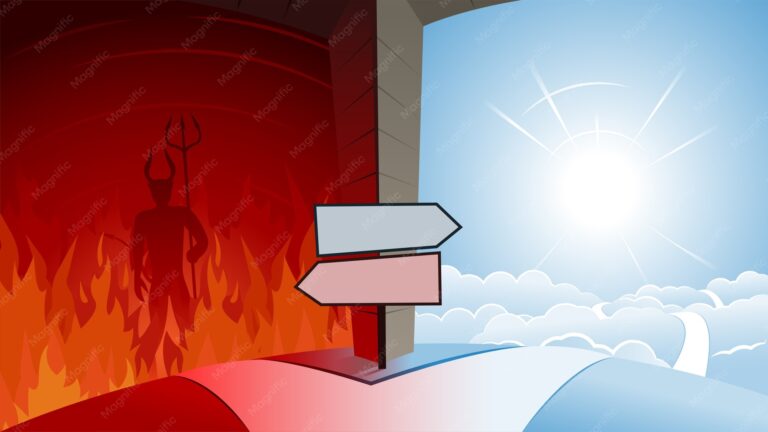
Hebrews 6 Lead To Death calls us to grow beyond the foundations of faith and live with a hope that remains secure through every trial. The chapter warns that turning away from Christ is a serious matter, yet it also encourages believers to continue in love, diligence, faith, and patience. God’s unchanging promise anchors our souls, and Jesus Christ has entered God’s presence on our behalf.
Obedience, God’s Covenant, Mercy, Salvation, Abraham, High Priest, Melchizedek, Impossible, Redemption Plan, Jesus Christ
📖 Hebrews 6:1 (NIV)
“6 Therefore let us move beyond the elementary teachings about Christ and be taken forward to maturity, not laying again the foundation of repentance from acts that lead to death,[a] and of faith in God,”
God does not intend for His people to remain spiritually immature.
Hebrews 6 urges believers to move beyond elementary teachings and grow in understanding.
It gives a serious warning about those who have experienced the goodness of God’s Word and the work of the Holy Spirit but then fall away and publicly disgrace the Son of God.
The picture of land receiving rain teaches that what we receive should produce something useful rather than thorns and thistles.
The chapter then offers encouragement.
God remembers the love believers have shown by serving His people.
They are urged to remain diligent and imitate those who inherit God’s promises through faith and patience.
Abraham is an example: God made a promise and confirmed it by an oath, demonstrating the unchanging nature of His purpose.
Because it is impossible for God to lie, those who take hold of His promise have solid grounds for hope.
The chapter ends with a powerful picture.
Our hope is an anchor for the soul, firm and secure.
It reaches behind the curtain into the inner sanctuary, where Jesus has entered on our behalf.
He is our High Priest forever in the order of Melchizedek.
What once seemed inaccessible is now opened to us through Christ.
📖 Hebrews 6:1-4 (NIV) – Lead To Death
‘6 Therefore let us move beyond the elementary teachings about Christ and be taken forward to maturity, not laying again the foundation of repentance from acts that lead to death,[a] and of faith in God, 2 instruction about cleansing rites,[b] the laying on of hands, the resurrection of the dead, and eternal judgment. 3 And God permitting, we will do so.”
“4 It is impossible for those who have once been enlightened, who have tasted the heavenly gift, who have shared in the Holy Spirit,
The beginning of faith matters, but God calls us to keep growing.”
Repentance, faith in God, instruction about cleansing, the laying on of hands, resurrection, and eternal judgment are foundational teachings.
They are not meant to be forgotten; they are meant to support a mature understanding of God’s truth.
Spiritual maturity requires us to apply what we have learned.
We should not repeatedly return to the same starting point while refusing to grow in obedience, mercy, and wisdom.
God’s Word helps us recognize how our choices affect our relationship with Him and our treatment of others.
Growth takes time, prayer, and a willingness to be taught.
As God permits, we move forward, learning not only what we believe but how that belief should shape our lives.
📖 Hebrews 6:5-8 (NIV) – Lead To Death
“5 who have tasted the goodness of the word of God and the powers of the coming age 6 and who have fallen[c] away, to be brought back to repentance. To their loss they are crucifying the Son of God all over again and subjecting him to public disgrace. 7 Land that drinks in the rain often falling on it and that produces a crop useful to those for whom it is farmed receives the blessing of God. 8 But land that produces thorns and thistles is worthless and is in danger of being cursed. In the end it will be burned.”
Hebrews gives one of Scripture’s strongest warnings about turning away after experiencing the goodness of God.
Its language is serious because rejecting Jesus Christ is not a small matter.
The warning reminds readers that spiritual experiences and knowledge must not be treated casually.
The passage compares people to land that receives rain: one field produces a useful crop, while another produces thorns and thistles.
And the question for us is what our lives are producing.
Are we allowing God’s Word to develop obedience, love, and faithfulness in us, or are we resisting the truth we have received?
This warning should lead to honest reflection rather than careless judgment of another person’s heart.
We must not presume to know every person’s spiritual condition. Instead, we should take God’s warning seriously, continue turning toward Him, and honor Jesus Christ through the way we live.
📖 Hebrews 6:9-12 (NIV)
“9 Even though we speak like this, dear friends, we are convinced of better things in your case—the things that have to do with salvation. 10 God is not unjust; he will not forget your work and the love you have shown him as you have helped his people and continue to help them. 11 We want each of you to show this same diligence to the very end, so that what you hope for may be fully realized. 12 We do not want you to become lazy, but to imitate those who through faith and patience inherit what has been promised.”
After the warning, the writer expresses confidence in better things for the readers—things connected with salvation.
God is not unjust; He remembers the work and love shown when His people serve others.
Their service matters, even when it may seem unnoticed by the world.
Believers are encouraged to remain diligent to the end and not become lazy in their faith.
Hope is not an excuse to stop growing. It gives us a reason to continue serving, loving, and obeying God when the journey becomes difficult.
Abraham and others who trusted God demonstrate the importance of faith joined with patience.
We may not see every promise fulfilled on our preferred timetable, but we can continue doing what is right while we wait.
God sees faithful service, and His promises call us to perseverance.
📖 Hebrews 6:13-16 (NIV)
“13 When God made his promise to Abraham, since there was no one greater for him to swear by, he swore by himself, 14 saying, “I will surely bless you and give you many descendants.”[d] 15 And so after waiting patiently, Abraham received what was promised.”
“16 People swear by someone greater than themselves, and the oath confirms what is said and puts an end to all argument. “
God made a promise to Abraham and confirmed it with an oath, swearing by Himself because there is no one greater.
Abraham waited patiently and eventually received what God had promised.
The oath demonstrated the certainty of God’s purpose and gave encouragement to those who would inherit the promise.
Human beings may make promises and fail to keep them, but Scripture declares that it is impossible for God to lie.
His faithfulness does not depend on changing human circumstances.
Abraham’s story teaches us that waiting is not the same as being forgotten.
Faith can remain steady even when fulfillment seems far away.
We must be careful not to assume that every personal wish is a promise from God; rather, we anchor our hope in what He has actually revealed.
His unchanging character gives us reason to trust His Redemption Plan through Jesus Christ.
📖 Hebrews 6:17-20 (NIV)
“17 Because God wanted to make the unchanging nature of his purpose very clear to the heirs of what was promised, he confirmed it with an oath. 18 God did this so that, by two unchangeable things in which it is impossible for God to lie, we who have fled to take hold of the hope set before us may be greatly encouraged. 19 We have this hope as an anchor for the soul, firm and secure. It enters the inner sanctuary behind the curtain, 20 where our forerunner, Jesus, has entered on our behalf. He has become a high priest forever, in the order of Melchizedek.”
The chapter closes with one of the Bible’s most reassuring images: hope is an anchor for the soul, firm and secure.
This hope reaches behind the curtain into the inner sanctuary, where Jesus has entered on our behalf.
The curtain recalls the barrier associated with access to God’s holy presence.
Jesus, our forerunner, has entered as the eternal High Priest in the order of Melchizedek.
What human effort could not accomplish, God has made possible through Jesus Christ.
We do not have to rely on our own perfection to approach God; we rely on the One who represents us.
Jesus’ priesthood is not temporary, and the hope He provides is not fragile like the changing circumstances of this world.
When we face uncertainty, we can remember that our anchor is not the strength of our feelings but the faithfulness of God and the saving work of Christ.
Behind the curtain is not an invitation to fear, but a reason to hold firmly to the hope God has given.
God’s promise to Abraham reveals His unchanging purpose.
He confirmed His promise with an oath so that those who inherit His promises could be greatly encouraged.
Because it is impossible for God to lie, His faithfulness provides a firm foundation for hope.
Hebrews connects this promise to Jesus Christ, our eternal High Priest, who has entered God’s presence on our behalf.
God’s Covenant is not sustained by human perfection. It rests on His faithfulness and unfolds through His Redemption Plan.
Yet this assurance is not an excuse for spiritual laziness or turning away from Christ.
We are called to continue in faith, love, service, and obedience.
Abraham’s patience and the image of hope as an anchor remind us to trust God while we wait. Through Jesus Christ, God gives believers a secure hope that reaches beyond the temporary struggles of this life toward eternity.
Hebrews 6 teaches us to take faith seriously, continue growing, and allow what we receive from God to produce good fruit.
The warning about falling away calls us to examine our hearts and remain faithful to Jesus Christ.
The encouragement that follows reminds us that God sees our love and service, even when others do not.
We should resist spiritual laziness and learn from those who demonstrate faith and patience.
Waiting can be difficult, but we do not have to let uncertainty destroy our hope.
We can continue serving others, practicing obedience, and trusting what God has promised.
We should distinguish between our own wishes and God’s revealed promises, holding firmly to the truth of His Word.
Above all, we can rest in the assurance that God cannot lie and that Jesus Christ is our eternal High Priest.
Our hope is anchored in God’s character, not in changing circumstances.
Abraham’s story shows us a God who makes promises and remains faithful to His Word.
The priesthood of Melchizedek points toward a High Priest greater than the temporary human priesthood.
Hebrews 6 brings these themes together by showing us Jesus Christ entering God’s presence on our behalf.
The curtain represents a boundary humanity could not cross by its own effort.
Jesus has entered as our forerunner, opening the way to a secure hope grounded in His eternal priesthood.
The warning against falling away reminds us not to treat His saving work lightly, while the promise of God’s faithfulness gives us courage to persevere.
We are imperfect people who need God’s mercy, but we are not left without hope.
Through Jesus Christ, we can continue growing, serving others, and trusting God’s unchanging purpose.
Let us move toward spiritual maturity, remain faithful through the waiting, and hold firmly to the hope that is anchored behind the curtain in God’s presence through Jesus Christ.
To God be the glory. Amen.