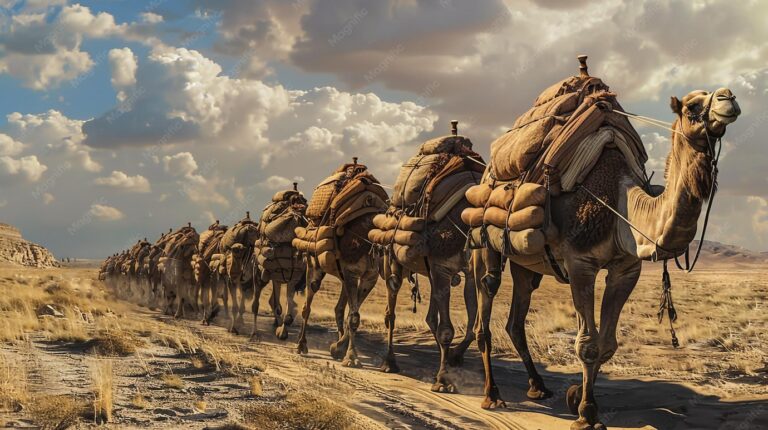
After facing conflict jealousy, and disputes over water, Isaac Moved to Beersheba chose peace instead of constant arguing and moved toward Beersheba. There, God reminded him that the covenant promises given to Abraham still rested upon his life. Isaac responded by building an altar, worshiping the Lord, and trusting God’s provision. As wells were reopened and new water was discovered, even Abimelek recognized that God’s favor was with Isaac. Genesis shows that patience, humility, obedience, and peaceful endurance often lead to blessing, stability, provision, and lasting covenant favor.
Blessings, Peace, Covenant Favor, Water, Loyalty, Altars, and God’s Presence
📖 Genesis 26:17
“17 So Isaac moved away from there and encamped in the Valley of Gerar, where he settled
📖 Genesis 26:17
“17 So Isaac moved away from there and encamped in the Valley of Gerar, where he settled”
After tension and growing hostility in Gerar, Isaac chose to move away rather than continue arguing.
This reveals:
wisdom
patience
humility
peaceful leadership.
Instead of fighting for position, Isaac trusted God to continue providing elsewhere.
His actions showed confidence in God’s covenant rather than confidence in conflict.
📖 Genesis 26:18
“18 Isaac reopened the wells that had been dug in the time of his father Abraham, which the Philistines had stopped up after Abraham died, and he gave them the same names his father had given them.”
Isaac reopened the wells dug during Abraham’s lifetime that the Philistines had stopped up.
He even restored the original names his father had given them.
The wells represented:
inheritance
survival
covenant legacy
continuity between Abraham and Isaac.
Isaac honored his father’s legacy while continuing the covenant journey God had established.
📖 Genesis 26:19–21
“19 Isaac’s servants dug in the valley and discovered a well of fresh water there. 20 But the herders of Gerar quarreled with those of Isaac and said, “The water is ours!” So he named the well Esek,[c] because they disputed with him. 21 Then they dug another well, but they quarreled over that one also; so he named it Sitnah.[d’
Isaac’s servants discovered fresh water, but disputes quickly followed.
The herders of Gerar argued:
“The water is ours!”
Isaac named the wells:
Esek — meaning dispute
Sitnah — meaning opposition or hostility.
Water represented life, survival, blessing, and prosperity in the desert region.
Yet Isaac repeatedly chose peace over unnecessary conflict.
📖 Genesis 26:22
“22 He moved on from there and dug another well, and no one quarreled over it. He named it Rehoboth,[e] saying, “Now the Lord has given us room and we will flourish in the land.”
Eventually Isaac moved again and dug another well where no argument followed.
He named it:
Rehoboth
meaning:
“Now the Lord has given us room and we will flourish in the land.”
This moment reveals:
patience rewarded
God’s provision
peace after opposition
blessing through perseverance.
Isaac trusted God to make room for him instead of forcing his own way through strife.
📖 Genesis 26:23–24
“23 From there he went up to Beersheba. 24 That night the Lord appeared to him and said, “I am the God of your father Abraham. Do not be afraid, for I am with you; I will bless you and will increase the number of your descendants for the sake of my servant Abraham.”
When Isaac arrived at Beersheba, the Lord appeared to him and said:
“Do not be afraid, for I am with you.”
God repeated:
covenant promises
blessing
protection
increase through future descendants.
Again, the covenant connection to Abraham remained central:
“for the sake of my servant Abraham.”
This confirmed that God’s favor still rested upon Isaac’s life.
📖 Genesis 26:25
“25 Isaac built an altar there and called on the name of the Lord. There he pitched his tent, and there his servants dug a well.”
In response, Isaac:
built an altar
called on the name of the Lord
pitched his tent
and dug a well.
This combination reflects:
worship
stability
provision
dependence upon God.
The altar symbolized Isaac’s loyalty and relationship with God before focusing on prosperity or success.
📖 Genesis 26:26
“26 Meanwhile, Abimelek had come to him from Gerar, with Ahuzzath his personal adviser and Phicol the commander of his forces. “
Unexpectedly, Abimelek arrived with:
Ahuzzath, his adviser
Phicol, commander of his forces.
This official delegation showed seriousness and respect toward Isaac.
The same people who once pushed Isaac away now sought peace with him.
📖 Genesis 26:27–29
“27 Isaac asked them, “Why have you come to me, since you were hostile to me and sent me away?”28 They answered, “We saw clearly that the Lord was with you; so we said, ‘There ought to be a sworn agreement between us’—between us and you. Let us make a treaty with you 29 that you will do us no harm, just as we did not harm you but always treated you well and sent you away peacefully. And now you are blessed by the Lord.”
Isaac questioned why they came after treating him with hostility.
Abimelek answered:
“We saw clearly that the Lord was with you.”
Even outsiders recognized:
God’s favor
Isaac’s blessing
covenant protection upon his life.
This acknowledgment became powerful evidence that God’s presence was visible through Isaac’s success and peace.
📖 Genesis 26:30–31
:30 Isaac then made a feast for them, and they ate and drank. 31 Early the next morning the men swore an oath to each other. Then Isaac sent them on their way, and they went away peacefully.”
Isaac responded by preparing:
a feast
fellowship
a peaceful agreement.
Together they:
ate
drank
swore an oath
departed peacefully.
Instead of revenge or bitterness, Isaac chose reconciliation and peace.
The covenant relationship produced stability rather than endless conflict.
📖 Genesis 26:32–33
“32 That day Isaac’s servants came and told him about the well they had dug. They said, “We’ve found water!” 33 He called it Shibah,[f] and to this day the name of the town has been Beersheba.[g]”
On the same day, Isaac’s servants discovered another well.
They joyfully declared:
“We’ve found water!”
Isaac named it:
Shibah
which connected to the name:
Beersheba
Water again symbolized:
life
blessing
provision
covenant favor.
God continued proving faithful to Isaac throughout the journey.
Unlike Abraham’s dramatic journeys, Isaac’s story often reveals:
patience
calm leadership
steady obedience
peaceful endurance.
Rather than fighting constantly for position, Isaac trusted God to provide:
room
protection
peace
and blessing.
This part of Genesis reminds us:
peace is often wiser than endless conflict
God provides room for His people in difficult situations
patience and humility reveal strength
worship should remain central during success
outsiders can recognize God’s favor upon faithful lives
covenant blessings continue through obedience and trust
Isaac’s move to Beersheba became a story of peace, patience, covenant favor, and God’s continued provision.
Though opposition and disputes surrounded him, Isaac chose wisdom over strife and trusted God to make room for him. In time, even former enemies recognized that the Lord was with him.
Through wells, altars, worship, and peaceful agreements, Genesis reminds us that God’s blessings often grow strongest through patience, humility, loyalty, and faithful trust rather than through constant conflict and striving.