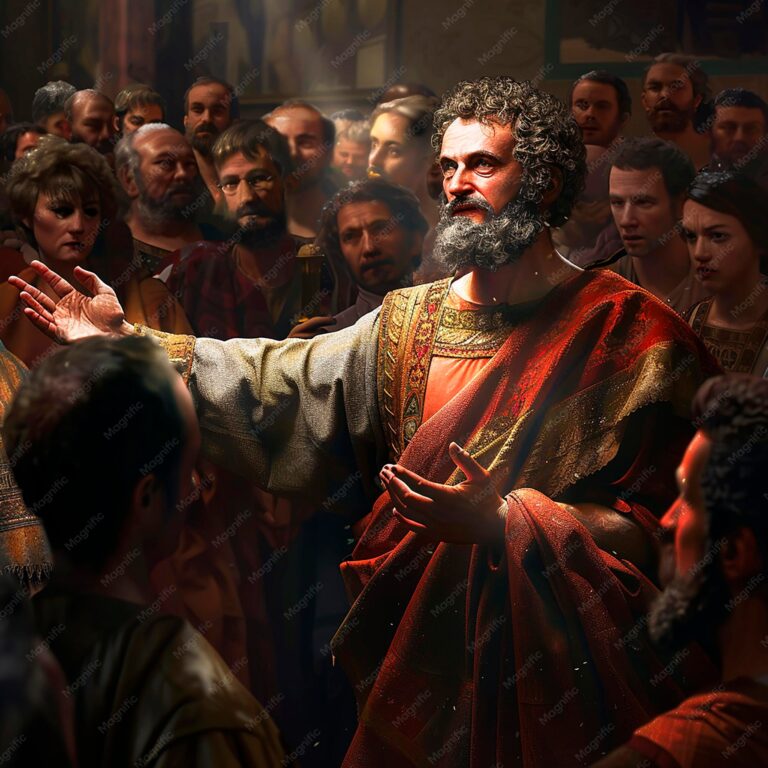
Peter teaches believers that salvation is not the end of their journey—it is the beginning of their growth. Like newborn babies Crave Pure Spiritual Milk, Christians are called to desire God’s Word and grow in their salvation. Peter shows us what it means to leave sinful ways behind, become living stones in God’s spiritual house, and follow Jesus Christ as the Shepherd and Overseer of our souls.
Obedience • God’s Covenant • Mercy • Faith • Grace • Salvation • Redemption Plan • Jesus Christ
📖 1 peter 2:1–2 (NIV)
“2 Therefore, rid yourselves of all malice and all deceit, hypocrisy, envy, and slander of every kind. 2 Like newborn babies, crave pure spiritual milk, so that by it you may grow up in your salvation, “
Peter begins by telling believers to remove the things that can destroy relationships and weaken spiritual growth: malice, deceit, hypocrisy, envy, and slander.
Instead, believers are to crave pure spiritual milk so they can grow.
Peter then gives us one of the strongest pictures of Christ in this chapter.
Jesus is the Living Stone—rejected by people but chosen and precious to God.
Those who believe in Him are also described as living stones, being built together into a spiritual house and a holy priesthood.
The foundation is Christ.
Peter reminds believers that Scripture had already pointed toward this Cornerstone. Some would believe in Him and find security, while others would reject Him and stumble.
They are a chosen people, a royal priesthood, a holy nation, and God’s special possession.
Why?
So they can declare the praises of the One who called them out of darkness and into His wonderful light.
Peter then reminds them that they are foreigners and exiles in this world. They are to resist sinful desires and live such good lives that even those who accuse them may eventually see their good deeds and glorify God.
Peter teaches respect, responsibility, freedom, humility, and endurance.
Then he points to Jesus.
Christ suffered without sin.
He did not retaliate when He was insulted.
He entrusted Himself to God.
Jesus carried our sins on the cross so that we could die to sin and live for righteousness.
Peter ends with a beautiful picture of restoration:
We were like sheep going astray.
Now we have returned to the Shepherd and Overseer of our souls.
📖 1 peter 2:3–5 (NIV)
“3 now that you have tasted that the Lord is good.
“4 As you come to him, the living Stone—rejected by humans but chosen by God and precious to him— 5 you also, like living stones, are being built into a spiritual house[a] to be a holy priesthood, offering spiritual sacrifices acceptable to God through Jesus Christ. “
Peter compares spiritual growth to a newborn baby craving milk.
A baby does not need to be convinced that it needs nourishment.
It cries for it.
Peter wants believers to develop that same desire for God’s Word.
Spiritual growth requires nourishment.
We cannot expect our faith to become stronger if we never spend time learning God’s truth.
The Word teaches us who God is, who we are, what Christ has done, and how we are supposed to live.
📖 1 peter 2:6–10 (NIV)
“6 For in Scripture it says:
“See, I lay a stone in Zion,
a chosen and precious cornerstone,
and the one who trusts in him
will never be put to shame.”[b]
“7 Now to you who believe, this stone is precious. But to those who do not believe,
“The stone the builders rejected
has become the cornerstone,”[c]
“8 and,
“A stone that causes people to stumble
and a rock that makes them fall.”[d]
They stumble because they disobey the message—which is also what they were destined for.”
“9 But you are a chosen people, a royal priesthood, a holy nation, God’s special possession, that you may declare the praises of him who called you out of darkness into his wonderful light. 10 Once you were not a people, but now you are the people of God; once you had not received mercy, but now you have received mercy.”
Peter calls Jesus the Living Stone and the Cornerstone.
That difference matters.
Human approval does not determine Christ’s value.
God does.
Peter then says believers are also living stones being built into a spiritual house.
That means Christianity was never intended to be only about an individual relationship with God.
God is building a people.
We each have a place.
Christ is the foundation.
If the foundation is Christ, our lives have somewhere secure to stand.
📖 1 peter 2:11–13 (NIV)
“11 Dear friends, I urge you, as foreigners and exiles, to abstain from sinful desires, which wage war against your soul. 12 Live such good lives among the pagans that, though they accuse you of doing wrong, they may see your good deeds and glorify God on the day he visits us.”
“13 Submit yourselves for the Lord’s sake to every human authority: whether to the emperor, as the supreme authority,
Peter gives believers an extraordinary identity:”
Chosen people.
Royal priesthood.
Holy nation.
God’s special possession.
This identity is not based on wealth, popularity, success, or position.
It comes from God.
Peter says we were once not a people, but now we are God’s people.
Once we had not received mercy, but now we have received mercy.
That should change the way we see ourselves.
And it should change the way we treat others.
📖 1 peter 2:14–16 (NIV)
“14 or to governors, who are sent by him to punish those who do wrong and to commend those who do right. 15 For it is God’s will that by doing good you should silence the ignorant talk of foolish people. 16 Live as free people, but do not use your freedom as a cover-up for evil; live as God’s slaves.”
That changes how we live.
But Peter doesn’t stop with what Christians should avoid.
He tells them what they should do:
Live good lives.
Our faith should be visible.
People should be able to see something different in the way we respond to difficult situations, treat others, handle authority, use freedom, and deal with suffering.
Christian freedom is not permission to do whatever we want.
Peter says we are free people, but we are also God’s servants.
Freedom in Christ should produce responsibility, not rebellion.
📖 1 peter 2:17–20 (NIV)
“17 Show proper respect to everyone, love the family of believers, fear God, honor the emperor.”
“18 Slaves, in reverent fear of God submit yourselves to your masters, not only to those who are good and considerate, but also to those who are harsh. 19 For it is commendable if someone bears up under the pain of unjust suffering because they are conscious of God. 20 But how is it to your credit if you receive a beating for doing wrong and endure it? But if you suffer for doing good and you endure it, this is commendable before God. “
Peter addresses suffering directly.
Sometimes people suffer because they have done wrong.
But sometimes people suffer while doing what is right.
Peter says there is something commendable before God when someone endures unjust suffering because they are conscious of God.
Then he points to Jesus.
Christ suffered for us and left us an example to follow.
Jesus committed no sin.
He did not answer insults with insults.
He did not threaten those who hurt Him.
Instead, He entrusted Himself to the One who judges justly.
This is not weakness.
It is faith.
Jesus showed us that we don’t have to become sinful because someone has treated us sinfully.
📖 1 peter 2:21–24 (NIV)
” 21 To this you were called, because Christ suffered for you, leaving you an example, that you should follow in his steps.”
“22
“He committed no sin,
and no deceit was found in his mouth.”[e]
“23 When they hurled their insults at him, he did not retaliate; when he suffered, he made no threats. Instead, he entrusted himself to him who judges justly. 24 “He himself bore our sins” in his body on the cross, so that we might die to sins and live for righteousness; “by his wounds you have been healed.” 25 For “you were like sheep going astray,”[f] but now you have returned to the Shepherd and Overseer of your souls.”
Peter’s final words bring the entire chapter together.
Humanity had gone astray like sheep.
His sacrifice opened the way for us to die to sin and live for righteousness.
Peter says:
“By his wounds you have been healed.”
The healing Peter describes is connected to Christ’s saving work.
We were wandering.
Christ called us home.
We were separated.
Christ brought redemption.
We were living in darkness.
Christ called us into His wonderful light.
And now we have returned to the One who watches over us:
the Shepherd and Overseer of our souls.
Peter’s message is built upon something greater than human strength.
It is built upon God’s faithfulness.
The Living Stone was rejected by humanity, but chosen by God. The rejection of Jesus did not destroy God’s plan. Instead, the cross became the center of God’s redemption plan.
God’s covenant continues through Christ.
The Cornerstone remains secure.
Peter reminds us that we belong to God because of His mercy and grace.
Human beings may reject God’s truth.
People may stumble.
Circumstances may change.
But God’s foundation does not move.
Jesus Christ is the Cornerstone, and God’s covenant stands upon Him.
We must continue growing after salvation.
God’s Word is spiritual nourishment.
Jesus Christ must be the foundation of our lives.
Our identity comes from God, not the world.
Mercy should change the way we treat others.
Christian freedom comes with responsibility.
We are called to live differently from the world.
Doing what is right does not guarantee an easy life.
God can bring wandering people back to Himself.
We are not abandoned—we belong to the Shepherd.
Our lives should declare what God has done for us.
Peter takes us directly to Jesus.
Jesus is the Living Stone.
He is the Cornerstone.
Jesus is the One who suffered without sin.
He is the One who carried our sins on the cross.
Jesus is the One who makes it possible for us to die to sin and live for righteousness.
And He is the Shepherd and Overseer of our souls.
Peter’s message is not simply, “Try harder.”
It is much greater.
Come to Christ. Grow in Christ. Build on Christ. Follow Christ.
The world may reject the Cornerstone, but God’s plan cannot be rejected.
The Living Stone remains.
And through Him, God is building His people into something greater than they could ever build on their own.
Jesus Christ is the foundation, the Savior, the example, the Shepherd, and the Overseer of our souls.