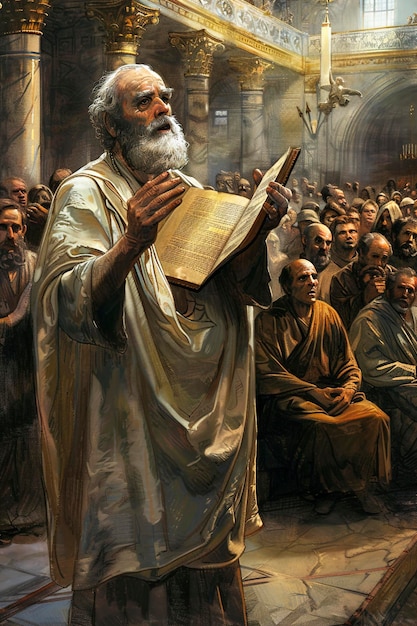
Our earthly lives are temporary, but God’s promise of eternal life Building From God reaches beyond what we can see. In this chapter, Paul teaches us to live by faith, recognize our responsibility before Christ, and understand the transformation that comes through Him. We are not simply living for ourselves; we are called to become Christ’s ambassadors, sharing God’s message of reconciliation with the world.
Obedience, God’s Covenant, Out Of Your Mind, Grace, Eternity, Faith, Judgment, Sin, Redemption Plan, Jesus Christ,
📖 2 Corinthians 5:1 (NIV)
“5 For we know that if the earthly tent we live in is destroyed, we have a building from God, an eternal house in heaven, not built by human hands.”
Paul reminds us that our earthly bodies are temporary, like tents, but God has prepared an eternal dwelling that human hands cannot build.
He has given us His Spirit as a guarantee of what is to come.
This promise gives believers confidence, even while facing the burdens and uncertainties of earthly life.
Paul explains that faith must guide how we live.
We seek to please the Lord because every person will appear before the judgment seat of Christ.
Our lives matter, and our choices carry responsibility.
But the center of this chapter is Christ’s love.
Jesus died and was raised so that those who live through Him would no longer live only for themselves.
Through Christ, God offers reconciliation, making a new creation possible.
The old life does not have to define us.
God then gives believers a responsibility: carry the message of reconciliation.
We become Christ’s ambassadors, representing His love and inviting others to be reconciled to God.
This is God’s work through Jesus Christ, not something humanity could accomplish on its own.
📖 2 Corinthians 5:1-4 (NIV)
“5 For we know that if the earthly tent we live in is destroyed, we have a building from God, an eternal house in heaven, not built by human hands. 2 Meanwhile we groan, longing to be clothed instead with our heavenly dwelling, 3 because when we are clothed, we will not be found naked. 4 For while we are in this tent, we groan and are burdened, because we do not wish to be unclothed but to be clothed instead with our heavenly dwelling, so that what is mortal may be swallowed up by life.:
Paul compares our earthly bodies to temporary tents.
A tent provides shelter for a time, but it is not our permanent home.
Our bodies are mortal, and earthly life carries burdens, weakness, and uncertainty.
Yet Paul points us toward something greater: an eternal dwelling from God, not built by human hands.
Our hope is not that this temporary life will last forever, but that God has prepared life beyond it.
Notice who makes this promise possible.
God has fashioned us for this purpose and given us the Holy Spirit as a deposit, guaranteeing what is to come.
Our confidence rests in God’s promise, not in the strength or permanence of our earthly bodies.
Faith allows us to look beyond what is temporary toward the eternal life God has promised through Jesus Christ.
📖 2 Corinthians 5:5-8 (NIV)
“5 Now the one who has fashioned us for this very purpose is God, who has given us the Spirit as a deposit, guaranteeing what is to come.”
“6 Therefore we are always confident and know that as long as we are at home in the body we are away from the Lord. 7 For we live by faith, not by sight. 8 We are confident, I say, and would prefer to be away from the body and at home with the Lord. “
Paul teaches that while we are at home in the body, we are away from the Lord.
He expresses confidence in the hope of being with Christ, but he also explains what should guide us while we remain here: we make it our goal to please God.
The words “we live by faith, not by sight” remind us that our decisions cannot be based only on what we see today.
Circumstances change, but God’s promises remain.
Paul also tells us that everyone must appear before the judgment seat of Christ.
Our actions matter, and we are accountable for the lives we live.
This is not a reason to live in fear, but a reminder to take our choices seriously and seek God’s guidance.
Faith is more than believing something we cannot see.
It changes how we live, how we treat others, and what we make important.
We seek to please Christ because our lives belong to Him.
📖 2 Corinthians 5:9-12 (NIV)
“9 So we make it our goal to please him, whether we are at home in the body or away from it. 10 For we must all appear before the judgment seat of Christ, so that each of us may receive what is due us for the things done while in the body, whether good or bad.”
“11 Since, then, we know what it is to fear the Lord, we try to persuade others. What we are is plain to God, and I hope it is also plain to your conscience. 12 We are not trying to commend ourselves to you again, but are giving you an opportunity to take pride in us, so that you can answer those who take pride in what is seen rather than in what is in the heart “
Paul understands that some people may question his actions and commitment.
When others suggest he is “out of his mind,” he explains that his devotion is for God.
His message is not about gaining approval or recognition.
The reason for his commitment is Christ’s love.
Jesus died for all and was raised again.
His sacrifice changes the purpose of those who believe.
Instead of living only for themselves, believers are called to live for the One who died and rose again for them.
This is an important distinction. Following Christ is not about making ourselves look important, winning arguments, or receiving praise from people.
It is about allowing His love to change our priorities.
When Christ’s love becomes the reason we live, our purpose changes.
We begin to consider how our words and actions reflect the One who gave His life for us.
📖 2 Corinthians 5:13-16 (NIV)
“13 If we are “out of our mind,” as some say, it is for God; if we are in our right mind, it is for you. 14 For Christ’s love compels us, because we are convinced that one died for all, and therefore all died. 15 And he died for all, that those who live should no longer live for themselves but for him who died for them and was raised again.”
“16 So from now on we regard no one from a worldly point of view. Though we once regarded Christ in this way, we do so no longer.“
Paul teaches that we should no longer judge people only by worldly standards.
A person’s appearance, position, wealth, history, or reputation does not reveal everything about their relationship with God.
The heart of this teaching is found in verse 17: anyone who is in Christ is a new creation.
The old has gone, and the new has come.
This transformation comes from God.
Through Jesus Christ, God reconciles people to Himself, not counting their sins against them.
This does not mean sin is unimportant.
It means God has provided a way for sinners to receive forgiveness and restored relationship through Christ.
God’s Redemption Plan is revealed in this message: humanity needs reconciliation, and Jesus Christ is the One through whom God makes it possible.
Our past does not have to determine our future when we come to Christ.
God’s grace offers a new beginning, and genuine faith begins to change the way we see ourselves and others.
📖 2 Corinthians 5:17-21 (NIV)
“17 Therefore, if anyone is in Christ, the new creation has come:[a] The old has gone, the new is here! 18 All this is from God, who reconciled us to himself through Christ and gave us the ministry of reconciliation: 19 that God was reconciling the world to himself in Christ, not counting people’s sins against them. And he has committed to us the message of reconciliation. 20 We are therefore Christ’s ambassadors, as though God were making his appeal through us. We implore you on Christ’s behalf: Be reconciled to God. 21 God made him who had no sin to be sin[b] for us, so that in him we might become the righteousness of God.”
Paul gives believers a remarkable responsibility: we are Christ’s ambassadors.
An ambassador represents someone greater than himself.
He does not create the message or make himself the center of attention.
He represents the one who sent him.
In the same way, Christians are called to represent Jesus Christ through their words, actions, and commitment to the message of reconciliation.
Paul says it is as though God were making His appeal through us: be reconciled to God.
The chapter concludes with the foundation of that appeal.
Jesus Christ had no sin, yet God made Him the sin offering for us, so that through Him we might become the righteousness of God.
We cannot accomplish this through our own perfection.
We depend on what Jesus Christ has done.
His sacrifice makes reconciliation possible, and His resurrection gives us hope.
Being Christ’s ambassador is not about claiming authority over others.
It is about faithfully representing Jesus Christ, sharing God’s message with humility, grace, and truth.
We invite others toward God, remembering that salvation comes through Christ alone.
God’s promise of eternal life does not rest on human achievement.
He has given us His Spirit as a guarantee of what is to come.
Through Jesus Christ, God has opened the way for reconciliation, forgiveness, and a new life.
The covenant message is centered on God’s faithfulness.
Jesus died for our sins and was raised again, making it possible for us to be reconciled to God.
Our responsibility is to believe, live by faith, and remain faithful to the One who has called us.
God’s promise reaches beyond this earthly life.
What He has prepared is eternal, and His grace gives us hope that the temporary struggles of today cannot take away.
This chapter asks us to look beyond ourselves.
Our earthly lives are temporary, but our choices have meaning.
We are called to live by faith, seek to please God, and remember that we are accountable to Christ.
We also learn that our past does not have to define us.
Through Jesus Christ, a new creation is possible.
God’s grace offers reconciliation, and Christ’s love gives believers a new reason to live.
Being an ambassador for Christ means representing Him honestly.
We do not have to be perfect people to share His message.
We must recognize our dependence on Him and allow His truth, love, and grace to guide how we live.
The message of 2 Corinthians 5 leads us directly to Jesus Christ.
Humanity cannot build its own eternal home, overcome sin through its own strength, or reconcile itself to God.
We need the One who gave His life for us and was raised again.
Jesus Christ is the foundation of our hope.
Through Him, the old can become new, the separated can be reconciled, and those who believe can look toward the eternal life God has promised.
We are called to live by faith, not by sight, and to become Christ’s ambassadors.
Our purpose is not to glorify ourselves, but to share the message that God has made reconciliation possible through His Son.
All Glory Belongs To God.
Amen.