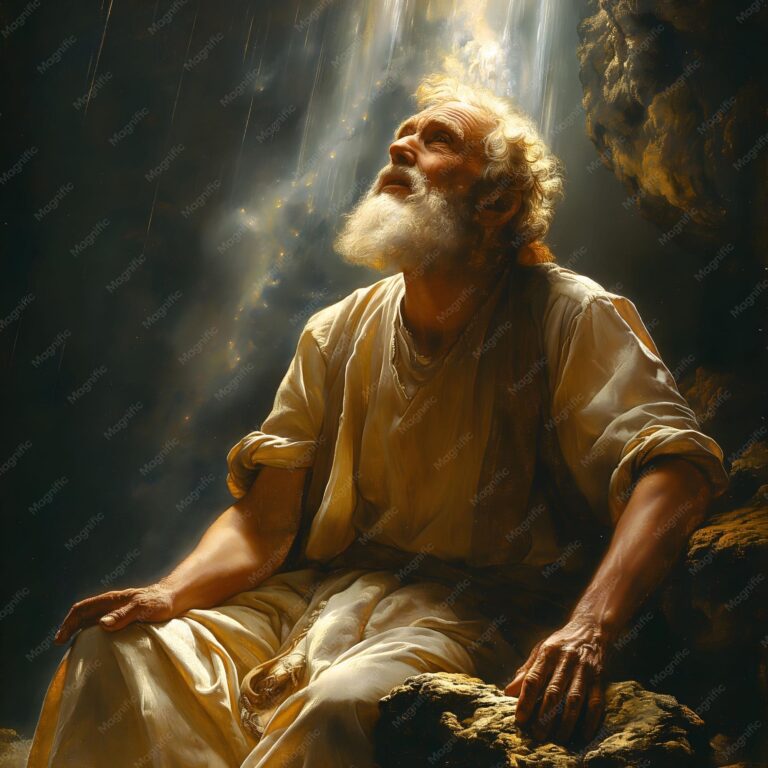
After God promised Abram that he would become the father of many nations, years passed without Sarai giving birth to a child. Wife Wanted a Son the hardship of waiting created emotional strain, uncertainty, and pressure within their household. Wanting a son and future family line for her husband, Sarai turned to a human solution instead of fully trusting God’s timing. What followed brought jealousy, pride, conflict, and pain into the family. Genesis reveals how difficult seasons of waiting can test loyalty, patience, relationships, and faith in God’s promises and perfect timing.
Hardship, Loyalty, Pride, and the Struggle to Trust God’s Timing
📖 Genesis 16:1–6
“Now Sarai, Abram’s wife, had borne him no children. But she had an Egyptian slave named Hagar;”
God had promised Abram that he would become:
the father of many nations
fruitful beyond measure
part of an everlasting covenant
Yet years passed without Sarai giving birth to a child.
The waiting created:
hardship
emotional strain
uncertainty
pressure within the family
Even faithful people can struggle while waiting for God’s promises to unfold.
📖 Genesis 16:1–2
“16 Now Sarai, Abram’s wife, had borne him no children. But she had an Egyptian slave named Hagar; 2 so she said to Abram, “The Lord has kept me from having children. Go, sleep with my slave; perhaps I can build a family through her.”
Genesis explains:
“Now Sarai, Abram’s wife, had borne him no children.”
Sarai deeply desired a son and a future for her husband’s family line.
The pain of barrenness carried emotional weight and personal sorrow.
In her struggle, Sarai proposed:
“Perhaps I can build a family through her.”
She gave Hagar to Abram in hopes of producing the child they longed for.
Instead of continuing to wait fully on God’s timing, Abram and Sarai attempted to solve the situation through human effort.
This decision reflected:
impatience
emotional hardship
pressure to fulfill the promise themselves
Genesis often shows humanity struggling between:
trusting God’s timing
and:
creating personal solutions out of fear or uncertainty.
📖 Genesis 16:3- 4
“Abram agreed to what Sarai said. 3 So after Abram had been living in Canaanten years, Sarai his wife took her Egyptian slave Hagar and gave her to her husband to be his wife. 4 He slept with Hagar, and she conceived.”
Genesis says:
“Abram agreed to what Sarai said.”
Abram, though faithful in many ways, still struggled with human weakness and decision-making.
The situation quickly became complicated after Hagar conceived.
What began as an attempt to solve hardship soon produced:
tension
jealousy
broken relationships
emotional pain
📖 Genesis 16:4
4 He slept with Hagar, and she conceived.
When she knew she was pregnant, she began to despise her mistress.
Genesis explains:
“When she knew she was pregnant, she began to despise her mistress.”
The pregnancy shifted relationships inside the household.
Pride, hurt feelings, and emotional division entered the situation.
The struggle for identity, status, and recognition created deeper conflict between Sarai and Hagar.
📖 Genesis 16:5
5 Then Sarai said to Abram, “You are responsible for the wrong I am suffering. I put my slave in your arms, and now that she knows she is pregnant, she despises me. May the Lord judge between you and me.”
Sarai said:
“You are responsible for the wrong I am suffering.”
The emotional burden now turned into:
frustration
blame
resentment
sorrow
What was intended to bring peace and fulfillment instead brought hardship into the family.
Genesis continues showing how human attempts to force outcomes can create painful consequences.
Abram told Sarai:
“Your slave is in your hands.”
Sarai then mistreated Hagar, and Hagar fled.
The household that longed for promise and blessing now experienced:
conflict
pain
division
emotional instability
The pressure surrounding the desire for a child had deeply affected relationships.
This story reflects how difficult waiting can become.
God had already spoken promises over Abram’s future, yet the fulfillment did not happen immediately.
The delay tested:
faith
patience
loyalty
trust in God’s plan
Genesis reminds readers that waiting seasons can reveal both faithfulness and human weakness.
Even within struggle and imperfect decisions, Abram continued walking within God’s covenant relationship.
The story reveals that faithful people are still capable of:
mistakes
impatience
emotional reactions
poor decisions during hardship
Yet God’s larger plan continued moving forward.
This part of Genesis reminds us:
waiting on God can be difficult
hardship can pressure people into human solutions
impatience can complicate relationships
pride and jealousy damage peace
God’s promises unfold according to His timing
Sarai’s deep desire for a son and future blessing created emotional hardship that tested both loyalty and trust.
Instead of fully waiting on God’s timing, human effort and impatience introduced pain, division, and conflict into the household.
Genesis reminds us that even faithful people can struggle during seasons of waiting, yet God’s covenant and promises continue moving forward despite human weakness and imperfect decisions