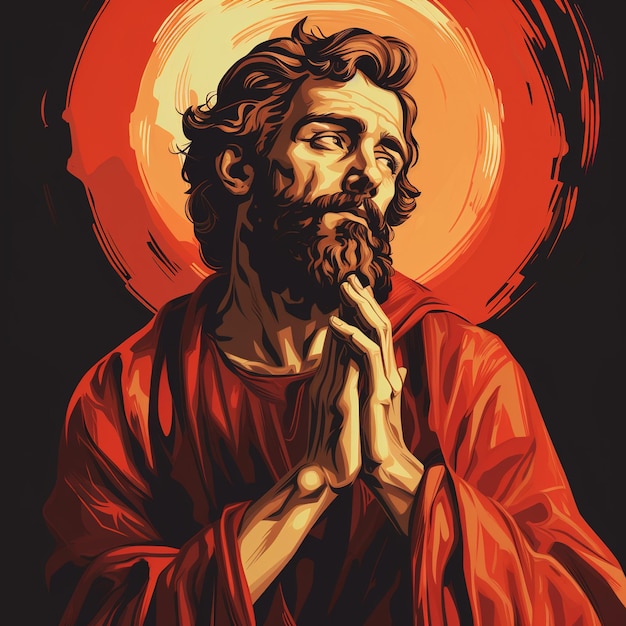
James teaches that genuine faith reflects God’s love Show No Favoritism. Believers are called to extend mercy, treat everyone with dignity, and put their faith into action. True faith is not measured by words alone but by a life of obedience and compassion.
Obedience, Faith, Belief, Favoritism, Lawbreakers, Mercy, Judgment, God’s Redemption Plan, God’s Covenant, Love Your Neighbor, Faith in Action, Body and Spirit, Compassion
📖 James 2:1-2 (NIV)
“2 My brothers and sisters, believers in our glorious Lord Jesus Christ must not show favoritism. 2 Suppose a man comes into your meeting wearing a gold ring and fine clothes, and a poor man in filthy old clothes also comes in. “
James continues teaching believers that genuine faith changes the way people live. In this chapter, he confronts two common dangers: showing favoritism and claiming to have faith without living it out.
God does not measure people by wealth, appearance, or social position. He looks at the heart. James reminds believers that obedience to God’s Word should produce love, mercy, compassion, and action.
Faith is not simply something we profess.
Faith is something we practice.
📖 James 2:3–7 (NIV)
“3 If you show special attention to the man wearing fine clothes and say, “Here’s a good seat for you,” but say to the poor man, “You stand there” or “Sit on the floor by my feet,” 4 have you not discriminated among yourselves and become judges with evil thoughts?”
“5 Listen, my dear brothers and sisters: Has not God chosen those who are poor in the eyes of the world to be rich in faith and to inherit the kingdom he promised those who love him? 6 But you have dishonored the poor. Is it not the rich who are exploiting you? Are they not the ones who are dragging you into court? 7 Are they not the ones who are blaspheming the noble name of him to whom you belong?”
James begins with a practical example.
A wealthy man enters wearing expensive clothing.
A poor man enters wearing worn-out clothes.
If believers honor the wealthy while ignoring the poor, they become judges with wrong motives.
God does not value people according to earthly possessions.
Throughout Scripture, God repeatedly demonstrates His concern for the humble, the poor, and the overlooked.
Every person is created in God’s image and deserves dignity, compassion, and respect.
Believers should reflect God’s character by showing kindness to everyone.
📖 James 2:8–13 (NIV)
“8 If you really keep the royal law found in Scripture, “Love your neighbor as yourself,”[a] you are doing right. 9 But if you show favoritism, you sin and are convicted by the law as lawbreakers. 10 For whoever keeps the whole law and yet stumbles at just one point is guilty of breaking all of it. 11 For he who said, “You shall not commit adultery,”[b] also said, “You shall not murder.”[c] If you do not commit adultery but do commit murder, you have become a lawbreaker.”
“12 Speak and act as those who are going to be judged by the law that gives freedom, 13 because judgment without mercy will be shown to anyone who has not been merciful. Mercy triumphs over judgment.”
James reminds believers of the royal law:
“Love your neighbor as yourself.”
This command summarizes how God’s people should treat one another.
Showing favoritism violates that command.
James also explains that breaking even one part of God’s law makes a person a lawbreaker.
No one earns righteousness through perfect obedience.
Everyone depends upon God’s mercy.
James concludes with one of Scripture’s most encouraging statements:
“Mercy triumphs over judgment.”
Those who have received God’s mercy should extend mercy to others.
📖 James 2:14–17 (NIV)
“14 What good is it, my brothers and sisters, if someone claims to have faith but has no deeds? Can such faith save them? 15 Suppose a brother or a sister is without clothes and daily food. 16 If one of you says to them, “Go in peace; keep warm and well fed,” but does nothing about their physical needs, what good is it? 17 In the same way, faith by itself, if it is not accompanied by action, is dead.”
James asks an important question:
“What good is it if someone claims to have faith but has no deeds?”
Words alone cannot meet physical needs.
If someone lacks food or clothing, kind wishes without practical help accomplish nothing.
In the same way, faith that never produces action is incomplete.
Real faith naturally expresses itself through love, compassion, generosity, and service.
Belief should influence behavior.
📖 James 2:18–20 (NIV)
“18 But someone will say, “You have faith; I have deeds.”
“Show me your faith without deeds, and I will show you my faith by my deeds. 19 You believe that there is one God. Good! Even the demons believe that—and shudder.”
“20 You foolish person, do you want evidence that faith without deeds is useless[d]? “
James challenges those who separate faith from action.
Even demons believe that God exists.
Knowledge alone does not transform lives.
Saving faith changes the heart.
Changed hearts produce changed actions.
James teaches that genuine belief becomes visible through obedience.
Faith cannot remain hidden.
It reveals itself by the way believers live.
📖 James 2:21–24 (NIV)
“21 Was not our father Abraham considered righteous for what he did when he offered his son Isaac on the altar? 22 You see that his faith and his actions were working together, and his faith was made complete by what he did. 23 And the scripture was fulfilled that says, “Abraham believed God, and it was credited to him as righteousness,”[e] and he was called God’s friend. 24 You see that a person is considered righteous by what they do and not by faith alone.”
James points to Abraham as an example.
When Abraham offered Isaac upon the altar, his actions demonstrated complete trust in God.
His obedience did not replace faith.
His obedience revealed his faith.
Faith and actions worked together.
Abraham’s life became part of God’s covenant and His unfolding redemption plan that would ultimately lead to Jesus Christ.
Obedience confirmed what Abraham already believed.
📖 James 2:25 (NIV)
“25 In the same way, was not even Rahab the prostitute considered righteous for what she did when she gave lodging to the spies and sent them off in a different direction?”
James also highlights Rahab.
She believed that Israel’s God was the true God.
Her faith moved her to protect the Israelite spies.
Her actions demonstrated genuine belief.
Rahab became part of God’s redemption plan and is included in the family line of Jesus.
God often uses unexpected people whose faith leads them to courageous obedience.
📖 James 2:26 (NIV)
“26 As the body without the spirit is dead, so faith without deeds is dead.”
James closes the chapter with a memorable illustration.
“As the body without the spirit is dead, so faith without deeds is dead.”
A body without life cannot function.
Likewise, faith without action cannot fulfill its purpose.
Living faith produces visible evidence.
Good works do not earn salvation.
Rather, they demonstrate that faith is alive and active within the believer.
Throughout Scripture, God has always called His people to trust Him with both heart and action.
Abraham believed God’s promises.
Rahab trusted God’s power.
Both became part of God’s covenant and His redemption plan that ultimately brought the Savior into the world.
The resurrection of Jesus completed God’s plan of redemption, offering salvation to everyone who believes.
James reminds believers that those who truly accept Christ are transformed from the inside out.
Faith changes both the heart and the hands.
God shows no favoritism, and neither should His people.
Every person deserves love, dignity, and compassion.
Mercy reflects the character of God.
Faith is demonstrated through obedience.
Kind words should be accompanied by helpful actions.
Genuine belief produces visible fruit.
God’s covenant has always called His people to trust and obey.
Abraham and Rahab demonstrated faith through action.
Good works do not earn salvation but reveal living faith.
Christ’s resurrection makes possible the transformed life James describes.
James teaches that faith is much more than agreeing with truth. Genuine faith changes the way we think, speak, and treat others. It rejects favoritism, extends mercy, serves those in need, and obeys God’s Word. Just as the body depends upon the spirit for life, faith depends upon action to reveal that it is alive.
Believers are called not only to believe in Jesus Christ but to reflect His love through everyday acts of obedience. When faith is lived out with compassion and humility, others can see the transforming power of God at work, bringing glory to Him and pointing people toward His eternal redemption plan.